Impact Stats
Since 1975, over 40,000 Kiwis have been flown by Life Flight.
Your generosity keeps the Westpac Rescue Helicopter and Air Ambulance Planes in the air—ready to respond 24/7.
-

-

-



Air Ambulance Planes
Our Fleet

Westpac Rescue Helicopter

Real Stories, Real Impact

Red Angels
Ready 24/7
Every week, 32 people need Life Flight. Whether it’s a critically ill baby, a serious accident, or a remote medical emergency, Life Flight is ready 24/7. Your support makes these missions possible.
Your support takes us further
Life Flight relies on the kindness of the community, businesses, and volunteers to keep flying.
Whether you want to give, partner, volunteer or fundraise, you’ll be part of something life-changing.
-
Read more about Mission stories
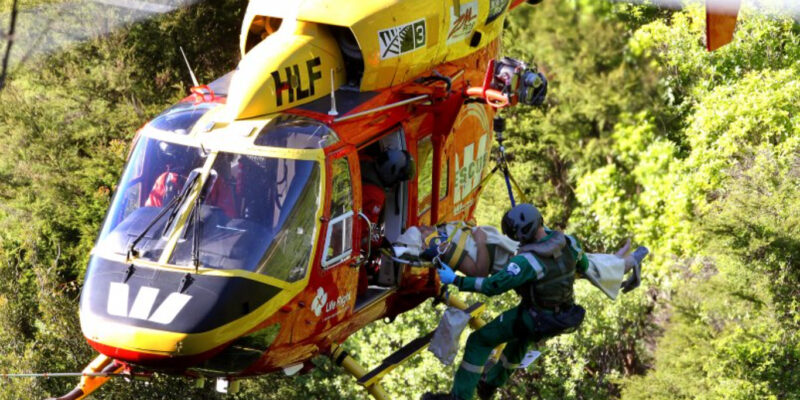
Mission stories
Read the real stories of those whose lives were saved – your support made it possible. -
Read more about Missions overview
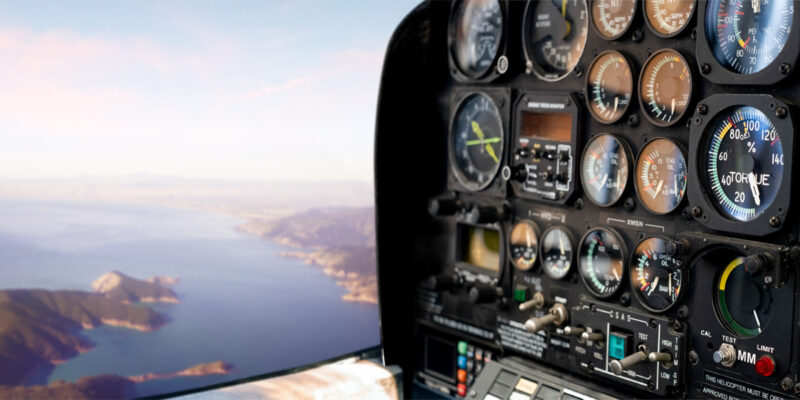
Missions overview
Discover Life Flight's crucial aeromedical missions in New Zealand, providing critical care and transportation with Westpac Rescue Helicopter and Air Ambulance Planes. Explore highlights, fleet details, and diverse mission types. Support our life-saving efforts today. -
Read more about Contact Us

Contact Us
The friendly Life Flight team is here to help. Simply fill out the contact form and we will get back to you as soon as we can. Alternatively, contact us via phone during business hours Monday – Friday on 04-920 2242.


Thanks to our generous sponsors
- Major Sponsor
-

- Air Ambulance Sponsor
-

- Vehicle Sponsor
-